DC Council Weighs Pros and Cons of Legalizing iGaming in the District
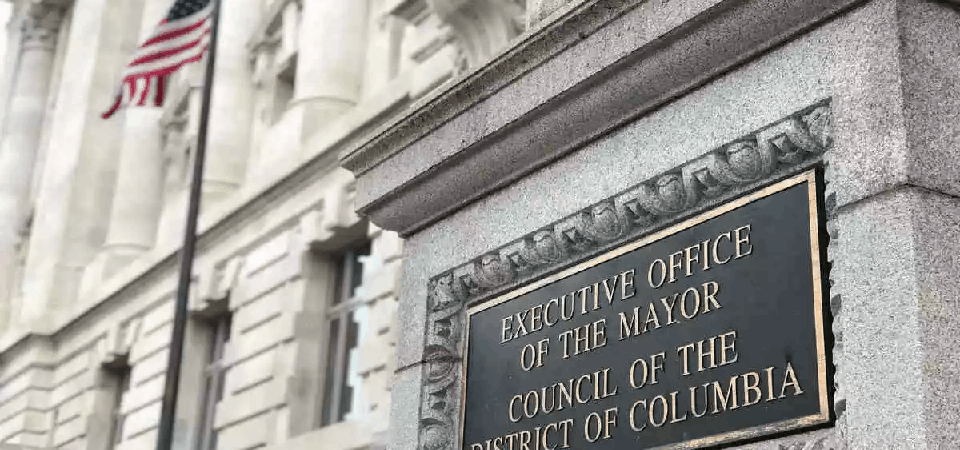
The Council of the District of Columbia conducted a session on Monday to receive input regarding the economic and social effects of permitting iGaming, which encompasses online slot machines and table games.
The Committee on Human Services of the DC Council organized a public session on B26-0656. This legislation, introduced last month by Councilmember Wendell Felder (D-Ward 7), is titled the “Internet Gaming and Consumer Protection Act of 2026” and seeks to oversee and impose taxes on online casino platforms and applications.
Felder argues that online casinos are already readily available in the capital via offshore sites and disputed sweepstakes gaming venues. His proposal would enable iGaming entities such as DraftKings and FanDuel to seek online casino operations, while prohibiting the dual-currency sweepstake approach.
During the Monday session, which lasted more than four hours, council members heard from advocates and opponents of the iGaming proposal.
Critics Voices Concerns
Nevertheless, numerous detractors of Felder’s initiative to legalize iGaming in DC emerged during the discussions.
Bernie Horn, an advisory neighborhood commissioner and a long-standing adversary of gambling, who previously served as a policy advisor at the National Coalition Against Gaming Expansion, now known as Stop Predatory Gambling, urged the council to dismiss the iGaming legislation.
Horn expressed his belief that permitting online casino sites would not mitigate the ongoing availability of illegal offshore gambling services.
“It’s not going to move anyone from the illegal sites to the legal ones. It’s just going to create more gamblers,” Horn declared.
Les Bernal, who leads Stop Predatory Gambling, stated that the American Gaming Association developed a misleading story years back to persuade U. S. states to permit online sports betting and iGaming, aiming to eliminate illegal operators and safeguard consumers.
"The narrative behind illegal gambling was a made-up public relations narrative by the gambling industry, and the reason why they needed to do it is because your constituents weren’t demanding commercial sports gambling. They sure as heck aren’t demanding online casino gambling,” Bernal said. “They had to create this phony public relations narrative to breathe life into a lobbying campaign.”
Bernal determined that online gambling presents a disadvantage for the general public, asserting that merely one out of every 100 gamblers achieves success over the long run.
The National Association Against iGaming, which includes members like Churchill Downs and The Cordish Companies, operators of Live! Casino & Hotel Maryland, further opposed online casino gambling in Washington, D. C. NAAiG contends that iGaming negatively impacts the revenue of physical casinos and has an overall harmful effect on society.
Legalization and Taxation
Supporters of making iGaming legal argued that the District has the opportunity to better safeguard consumers engaging in gambling through offshore casino sites while simultaneously generating tax revenue.
Matt Scalf, the senior manager for government affairs at DraftKings, expressed that this is a logical progression after the District's 2024 upgrade of online sports betting, which allowed more applications to compete alongside the DC Lottery’s sportsbook.
Michelle McGregor, from the Sports Betting Alliance and a resident of D. C. for the past 15 years, shared her observations of how the District utilizes new tax revenue to support various communities and create fresh opportunities. McGregor also disagreed with Horn’s assumption that regulated gaming does not draw players away from illicit operations.
"The regulated market is largely comprised of individuals who are either seeking out legal iGaming in other jurisdictions or were operating in the illegal market, meaning legalizing iGaming does indeed help migrate consumers to a regulated market,” McGregor said.
She mentioned that shifting consumers to controlled gaming is a sensible public policy move that enhances the safety of players, whether it pertains to fair play or measures for responsible gaming.